My path to become a therapist wasn’t typical. I’d had an extensive background building community based nutrition and empowerment programs for adults and adolescents in underserved communities in San Francisco and South Los Angeles by the time I decided to go to grad school. My work with incarcerated adults, high school students, and families, heavily influenced my decision to become a trauma focused therapist. 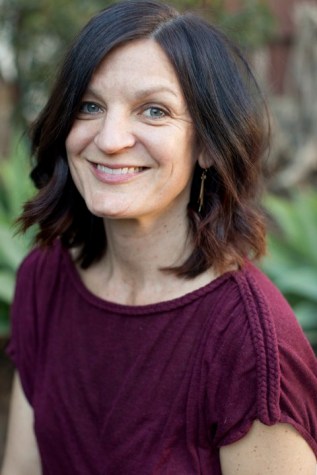
I don’t believe in the “bad seed”; I believe all people will thrive when the systems and relationships around them are thriving. To that end, I sought to get a Masters in Clinical Psychology from Antioch University in 2013, focusing on trauma and community psychology. I began formal training as a therapist at Vista Del Mar Family Services in LA, where I worked with youth struggling with post-traumatic stress, anxiety, depression, psychosis, and various social, emotional, and learning challenges. In 2014, I worked under the supervision of the Chief Mental Health Officer at Girls Inc. in Oakland, CA, where I received training in Trauma-focused CBT. In 2015 I returned to Los Angeles, and for the next several years, gained comprehensive experience in addiction treatment centers, providing individual, group, and family therapy to young adults and adolescents with dual diagnoses, (addiction and mental health).
Today, I’m focused on my private practice, (seeing clients in person and online) working primarily with adults, couples, and families dealing with relationship, intimacy, identity, and addiction issues. Post-licensure, my core training has been in Relational Gestalt Therapy, and I receive ongoing consultation from an expert in developmental trauma and dissociation.
My treatment approach is informed by various social and developmental theories that help identify the often complex factors – including biology, family, and community – that may influence a client’s current state. Starting with the assumption that each person’s challenging patterns are closely linked with their important strengths (we all develop the best patterns we can to help us survive as kids), I work with clients to help them identify, understand, and better manage their own behavioral patterns in relation to situations, substances, emotional states, and other people, so that they can live more fulfilled lives.
 Megan Hanson Psychotherapy